If you want a DC neighborhood that feels creative and connected without feeling overwhelming, Brookland and Woodridge deserve a closer look. These two Northeast neighborhoods offer a mix that can be hard to find in the city: local arts, everyday coffee spots, and streets that feel calmer than the downtown core. If you are trying to picture what life here actually feels like, this guide will help you understand the rhythm of both areas. Let’s dive in.
Brookland and Woodridge sit in upper Northeast DC, giving you a different feel from the denser core of the city. Brookland is in the middle of Ward 5, and Woodridge sits farther east near Eastern Avenue and the edge of the District.
That location matters because it shapes the pace of daily life. You still get city access and neighborhood activity, but the setting often feels more grounded in residential blocks, local gathering spots, and a strong sense of place.
Brookland is often described as a commuter-rail village, and that label fits its mix of access and character. The neighborhood is known for tree-lined streets, older homes, Victorian architecture, and a central area of storefronts and arts spaces near the Brookland-CUA Metro station.
A local planning document points to 12th Street as Brookland’s Main Street. That helps explain why the neighborhood can feel lively in a steady, neighborhood-serving way rather than in a nonstop nightlife-driven way.
For buyers, renters, and even sellers trying to talk about the area, Brookland often stands out for balance. You have transit, small businesses, and creative energy, but you also have blocks that feel residential and established.
Woodridge has a quieter identity. Local neighborhood and corridor sources describe it as primarily residential, with mature trees, big yards, detached homes, and wide sidewalks, especially along Rhode Island Avenue NE.
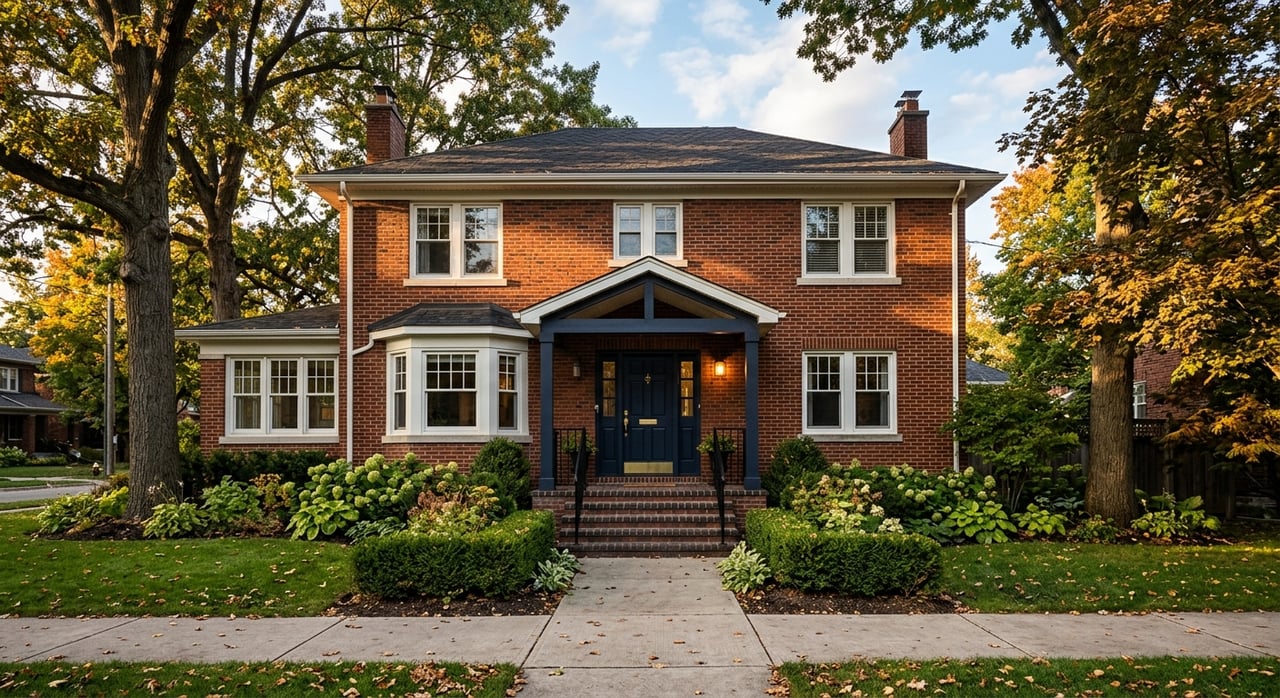
The housing character also helps define the neighborhood. Craftsman, Colonial, and Bungalow-style homes are part of the picture, which gives Woodridge a different visual rhythm from rowhouse-heavy parts of DC.
Its social and commercial life is more concentrated along Rhode Island Avenue NE. Instead of activity spreading across many busy blocks, Woodridge tends to center its everyday gathering spots along one corridor that serves as a local heartbeat.
If arts access is high on your list, Brookland has the stronger creative concentration. Monroe Street Market is the clearest anchor, with an Arts Walk that includes 27 artist studios along the Arts Plaza.
That same area also hosts weekend markets and performances, which adds to the neighborhood’s public, walkable energy. The nearby Edgewood Arts Building provides community space for exhibitions and events, giving Brookland a creative presence that feels visible rather than tucked away.
Brookland’s arts identity is not limited to studios alone. Local guides also point to Dance Place and describe the area around the Metro as a pedestrian-friendly arts zone lined with potters, painters, and crafters.
For someone thinking about lifestyle, this matters because it adds texture to everyday life. You are not just near housing and transit. You are near places where creative work shows up in public and community-facing ways.
Woodridge has a smaller arts footprint, but it is still part of the story. Rhode Island Avenue businesses include Art Enables, which operates as an art gallery and vocational arts program.
There is also a planned public art and cultural heritage project honoring DC-born poet Sterling Brown on Brentwood Road NE. That gives Woodridge a creative layer that is more corridor-based and community-oriented than destination-driven.
In practical terms, Brookland is the better fit if you want a more concentrated arts-and-maker scene. Woodridge may appeal more if you like the idea of quiet residential living with a few creative and cultural touchpoints nearby.
Coffee shops often tell you a lot about a neighborhood. In Brookland, the café scene supports the area’s easygoing but active personality.
Cool Coffee was founded in Brookland and presents its flagship as a place to relax, work, and enjoy a full café experience. Zeke’s Coffee also has a Brookland presence, and Busboys and Poets adds another casual place where café and bookstore energy come together.
This mix helps Brookland feel social without feeling hectic. You can picture a morning coffee run, an afternoon work session, or a casual meetup without needing to leave the neighborhood.
In Woodridge, the café scene is closely tied to Rhode Island Avenue NE. That corridor includes Zeke’s Coffee as a local roaster and café, along with Emma’s Torch, which also operates as a culinary training spot.
That concentration gives the neighborhood a practical, everyday rhythm. Instead of having many scattered destinations, you have a more focused commercial strip that supports day-to-day life.
For many people, that is part of the appeal. The neighborhood can feel quieter on residential streets while still giving you a reliable place to grab coffee or meet someone nearby.
Brookland and Woodridge both benefit from green space, though the experience looks a little different in each area. In Brookland, Turkey Thicket Recreation Center is a major community asset with a playground, walking track, tennis courts, picnic areas, a spray park, and an indoor pool.
Brookland also includes Noyes Park, a smaller community gathering space with a playground at 10th and Franklin Streets NE. Local guides also point to the Catholic University lawn and the Franciscan Monastery garden as part of the neighborhood’s green backdrop.
In Woodridge, local sources describe the neighborhood as having many parks, both small and large. Langdon Park Playground at Chuck Brown Park gives the area a recognizable pocket-park anchor and adds another nearby outdoor option.
If you are deciding between the two, the difference often comes down to daily lifestyle. Brookland offers a denser mix of arts, Metro access, cafés, and neighborhood retail, all wrapped into a setting that still includes tree-lined residential blocks.
Woodridge leans more residential and calm, with mature trees, larger lots, and a corridor-based routine along Rhode Island Avenue NE. It can be a strong fit if you want a quieter home environment while still staying connected to local businesses and community spaces.
Neither neighborhood is trying to be the busiest part of DC. That is part of the draw. Both offer a quieter version of city living, just with different emphasis.
Brookland and Woodridge show how varied DC living can be. You do not have to choose between character and convenience, or between calm streets and places to gather.
Brookland brings the stronger arts-and-café core, while Woodridge adds a more residential feel with a steady neighborhood corridor. Together, they offer two appealing versions of upper Northeast living.
If you are exploring Brookland or Woodridge and want help comparing blocks, housing styles, or day-to-day lifestyle fit, Jesse Oakley can help you make sense of the details and move with confidence.
OUR VALUE AND COMMITMENT TO YOU. You work hard to make a statement about yourself, your beliefs, and who you want to become – don't settle for anything less than the best in the business. We value individuality, beauty, transparency, and thought. The homes we are going to show you reflect that. We recommend lenders, contractors, and title companies and have a thorough knowledge of DC neighborhoods.
Let's ConnectCompass
1313 14th St., N.W. Washington, DC 20005