Shopping for a Brookland rowhouse and trying to tell a Wardman from a Victorian at a glance? You are not alone. Brookland and nearby Woodridge pack more history and character into a few blocks than most neighborhoods, which makes buying exciting and a little overwhelming. In this guide, you will learn how to spot the most common local styles, what the layouts feel like day to day, and what to consider if you plan to renovate. Let’s dive in.
Quick neighborhood context
Brookland and parts of Woodridge grew from the late 1800s through the 1930s, when streetcars opened up Northeast DC for middle-class housing. That is why you see a mix of late Victorian detail, early 20th-century Craftsman touches, and uniform builder-driven brick rows often associated with the Wardman era. Lots tend to be narrow and deep with party walls, which means most natural light comes from the front and rear. Many homes include basements, rear yards, and alley access, which matters if you plan future work.
How to spot rowhouse styles
Wardman style: what to look for
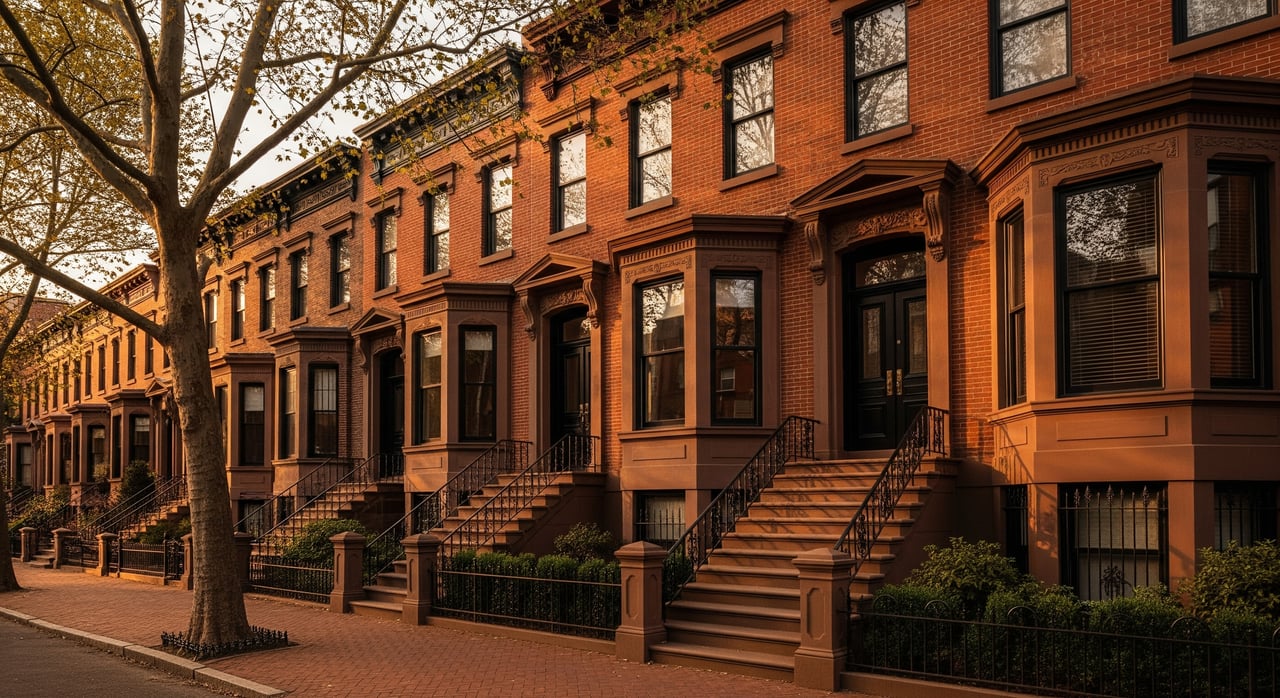
Wardman-era rows in Brookland often show clean, consistent brick façades along a full block. Details are usually symmetrical with modest classical touches like simple cornices, lintels, and occasionally recessed entryways. You will commonly see two to three stories above a raised basement and a front stoop leading to an elevated first floor.
What this means for you:
- Durable brick shells and masonry party walls tend to hold up well, though mortar joints, steps, and lintels may need maintenance.
- Interiors often have higher ceilings on the main level with formal front rooms that separate living and dining.
- Adding side windows is rarely possible because of party walls, so light strategies typically focus on the front, rear, and roof.
Renovation considerations:
- Masonry repointing and stoop restoration can be significant line items.
- Opening interior walls may require structural work to support the brick shell.
Craftsman-influenced: what to look for
Craftsman-influenced rowhouses lean into natural materials and simpler, handcrafted detail. You may see inset or shallow porches, tapered columns, exposed wood trim, and multi-pane windows. Interiors sometimes retain built-ins, wainscoting, and original woodwork.
What this means for you:
- Original millwork and built-ins add character and potential resale appeal if preserved.
- Replicating historic wood details can be costly, so plan carefully if authenticity matters to you.
Renovation considerations:
- Protect original trim during construction to avoid repair or replacement.
- Window decisions often balance efficiency, budget, and preservation goals.
Victorian: what to look for
Victorian rowhouses, typically the oldest stock, tend to have more ornate façades. Look for decorative cornices and brackets, shaped bay windows, and patterned masonry or cast-iron details. Proportions often read taller and narrower, with generous ceiling heights and formal front rooms inside.
What this means for you:
- Character-defining exterior elements and interior trim drive charm and help value, but they can be expensive to restore.
- Original wood windows may be tall and beautiful but may need careful repair or storm systems for comfort.
Renovation considerations:
- Decorative cornices and bay window framing can conceal aging materials, wiring, or plaster conditions that require skilled trades.
- Plan for selective restoration if you want to keep the look while updating systems and comfort.
Style overlap: a useful reality
You will often see a Wardman block with Craftsman-era interiors, or a Victorian façade paired with later finishes. Treat “style” as a quick visual guide, not a rigid rule. If you love a certain look, verify which details are original and which were added later before you plan renovations.
Floorplans, light, and living
Common layouts you will see
- Raised parlor two-over-two: a classic arrangement with a raised main floor for living and dining, kitchen toward the rear or on the garden level, and bedrooms upstairs.
- English basement setup: a garden-level living area or kitchen with windows above grade and the formal living floor one level up.
- Rear extensions: many homes have rear ells or later additions pushing the kitchen and casual living space farther back.
- Top-floor conversions: finished attics or loft-like primary suites are common where rooflines allow it.
Light and space feel
Party walls limit side windows, so daylight comes from the front and back. South-facing rear yards usually feel brighter through the day, while north-facing rears can be cooler and dimmer. Tall ceilings on the main level help rooms feel larger and let light travel deeper into the plan. Garden-level kitchens and finished basements benefit from larger window wells, glass rear doors, or added light wells.
Layout trade-offs for buyers
Traditional parlor layouts deliver defined, quiet rooms. Many buyers prefer an open rear family zone that connects kitchen, dining, and yard access. Bedrooms often have narrower footprints, and original closets can be small, so smart storage planning matters. Narrow staircases can make furniture moves and mechanical upgrades more complex.
Renovation, permitting, and timelines
Systems and common issues
Older rowhouses can carry legacy systems. You may encounter aging boilers or furnaces, older ductwork or radiators, and limited electrical capacity. Galvanized water lines or early cast-iron drains may remain. On the envelope, expect single-pane historic windows, minimal insulation, and masonry that may need repointing. Basements often show signs of moisture or rely on sump pumps, so drainage and waterproofing are frequent priorities.
Historic and zoning reviews
Some homes fall within historic districts or conservation areas, which can require review for exterior changes that are visible from public space. Check early for any Historic Preservation Office or review board oversight if you plan to alter façades, roofs, or stoops. Rear or rooftop additions, dormers, and lot coverage changes are subject to DC zoning rules, so confirm what is allowed before you design. Permit timelines and drawing requirements can affect your schedule.
Typical project priorities
- Priority 1: Health and safety. Roof integrity, structural stabilization, moisture control, and replacing unsafe electrical or failed mechanicals.
- Priority 2: Comfort and envelope. Insulation, window repair or replacement within preservation guidelines, HVAC modernization, and ventilation improvements.
- Priority 3: Function and flow. Kitchen and bath remodels, rear additions, strategic wall openings, and stair adjustments.
- Priority 4: Character work. Restoring moldings, plaster repair, refinishing floors, and exterior detail restoration to highlight the style you love.
What drives cost and timing
Big drivers include structural scope, full system replacements, how much historic fabric you preserve, approval requirements, and site logistics like alley access. Cosmetic and light systems updates can move in weeks to a few months. Full-scale additions or historic-board-reviewed projects often take many months to over a year when you include permitting and construction. Always get multiple estimates, insist on a clear written scope, and carry a contingency for surprises inside older walls.
Smart ways to add light
- Rear additions with larger glass doors create a bright kitchen and family area.
- Roof dormers or top-floor build-outs add headroom and windows where code allows.
- Skylights and light tubes brighten middle rooms and baths without exterior changes.
- Larger rear openings and interior glass panels help daylight reach deeper into the plan.
- Light-colored finishes and fewer partitions support a more open, reflective interior.
Brookland buyer checklist
Use this checklist on showings to gauge livability, risk, and budget impact.
Structure and envelope
- Look for foundation cracks, uneven floors, or signs of prior structural repairs.
- Ask the roof age and check for stains or patched areas.
- Note basement odors or efflorescence that suggest moisture.
Systems and safety
- Confirm age and type of heating and cooling, and where equipment sits.
- Check electrical panel size and whether older wiring types are present.
- Identify plumbing materials and ask about past replacements.
- For homes built before 1978, ask about lead-based paint. Also ask about possible asbestos in older materials and plan for proper abatement if present.
Light, layout, and livability
- Track morning and afternoon light by room and note the yard’s orientation.
- Measure ceiling heights on the main and upper floors.
- Count closets and think through storage options.
- Listen for sound from the street, alley, or nearby institutions at different times of day.
Renovation and expansion potential
- Check for alley or rear-yard access for staging and materials.
- Ask for permits and receipts on major past work.
- Discuss zoning limits on rear or rooftop additions with a local architect early.
Neighborhood and practical items
- Confirm on-street permit parking and whether any off-street parking exists.
- Evaluate yard size, sunlight, and privacy for everyday use.
- Note proximity to Metro, schools, and neighborhood services to understand day-to-day convenience and future resale.
Next steps
If you want a home with character and a floorplan that fits your life, understanding Brookland’s rowhouse styles gives you an edge. You can spot the details you love, predict how a home will live, and budget for smart updates that respect both history and comfort. If you are weighing specific listings or planning a renovation, let’s talk through your goals, the home’s condition, and your best path forward. Connect with Jesse Oakley to get tailored guidance on style, layout, and renovation potential.
FAQs
What defines a Wardman-style rowhouse in Brookland?
- Look for uniform brick façades, symmetrical massing, and two to three stories above a raised basement, often with modest classical details and an elevated first-floor entry.
How do Brookland rowhouse layouts affect daily light?
- With party walls and narrow lots, most daylight comes from the front and rear. South-facing rears feel brighter, while north-facing rears are cooler and may need skylights or larger rear openings.
What should I prioritize first in a renovation?
- Start with health, safety, and core systems like roof, structure, moisture control, electrical, and HVAC before tackling layout changes or cosmetic upgrades.
Do I need approval to change the façade or roofline?
- If the property is in a historic district or conservation area, visible exterior changes can require review. Rear additions and dormers also must meet zoning rules, so verify early.
How can I brighten a garden-level kitchen or basement?
- Consider larger window wells, glass rear doors, added light wells, interior glass partitions, and light-colored finishes. Skylights help on upper floors.
Are original windows worth keeping for comfort and value?
- Repaired historic windows with weatherstripping and storms can perform well and preserve character. Replacement may be considered when windows are beyond repair or efficiency goals demand it.