Thinking about letting your home help pay the mortgage? In Brookland, turning an English basement into a long-term rental can be a smart, achievable way to lower monthly costs while building equity. If you are new to house hacking, it can feel complex. You want clear steps, realistic costs, and rules that make sense. This starter guide walks you through what to look for in a Brookland rowhouse, the DC permits and licensing you will likely need, rough budgeting, and a simple cash-flow framework you can use today. Let’s dive in.
Why Brookland fits house hacking
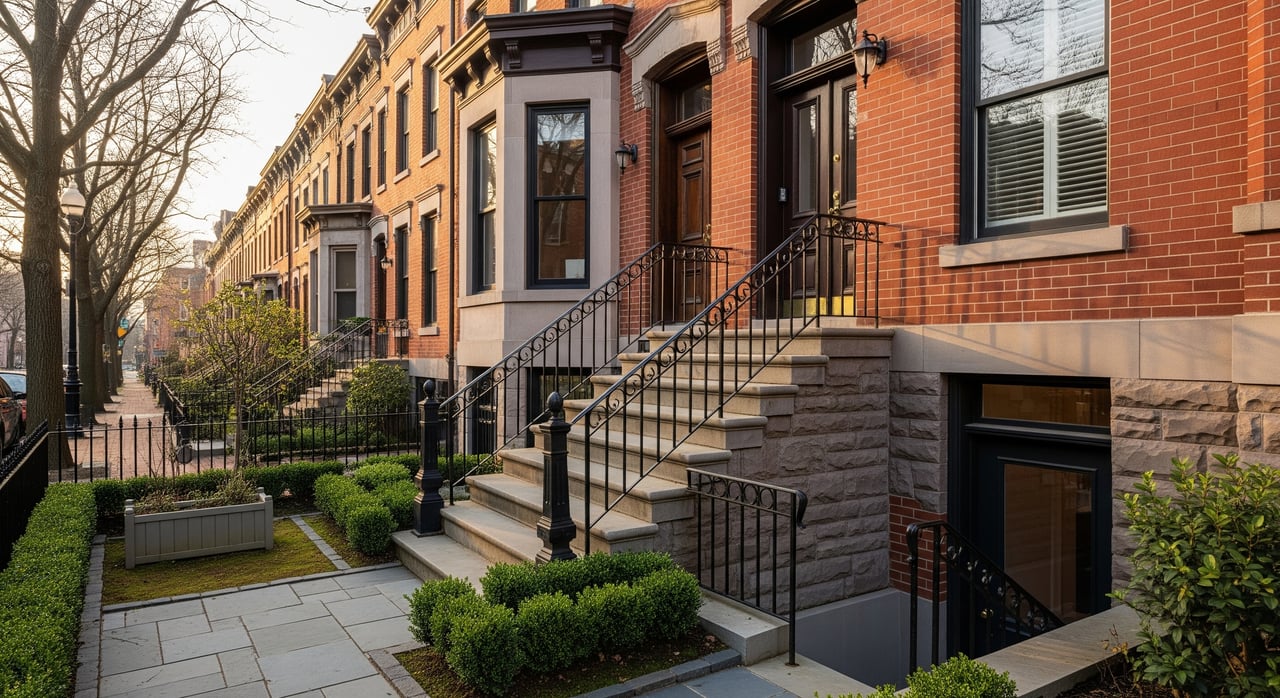
Brookland offers a strong setup for house hacking. You are close to Catholic University, the Brookland-CUA Metro on the Red Line, and neighborhood amenities, which support steady rental demand. Many rowhouses here already have English basements or layouts that can be adapted into a private lower-level suite.
Parts of Brookland include historic districts or contributing historic properties. If your project includes exterior changes visible from the street, you may need review through the DC Historic Preservation Office. You can start with the official DC Historic Preservation Office guidance to understand when review could apply.
What makes a basement rentable
Suitability checklist
Look for or plan to add these features:
- Separate entry or a clear path to create one (rear yard or side entry is common).
- Adequate ceiling height with a safe egress door or window that meets code for bedroom spaces.
- Space for a kitchenette or full kitchen based on your design and lender rules.
- A heating and cooling plan (separate HVAC or mini-split systems work well).
- Plumbing routes for a bathroom and sink that tie efficiently to existing stacks.
- Sound separation between your living space and the rental for comfort and privacy.
Health and safety basics
Basement apartments must address life safety and moisture. Expect egress requirements for any bedroom, smoke and carbon monoxide detectors, and proper ventilation. If your home was built before 1978, learn the federal rules on lead disclosure and safe renovation practices. Start with HUD lead disclosure rules and the EPA Renovation, Repair and Painting rule to understand your responsibilities.
Understand DC rules
Zoning and use
Zoning determines whether an accessory apartment is allowed and what standards apply on a specific lot. Before you fall in love with a floor plan, check zoning first. Review the District’s resources or contact the zoning administrator through the main DC government portal to confirm what is permitted for your address.
Permits, inspections, and occupancy
Most basement conversions need building permits, especially when you touch structure, plumbing, electrical, HVAC, or egress. If you create a separate dwelling unit, you may also need a change in occupancy classification or an updated Certificate of Occupancy after inspections. Start your process with the DC Department of Buildings permitting resources and plan for inspector checks on life safety items.
Rental registration and licensing
Operating a rental unit in DC typically requires registration and, in some cases, periodic housing inspections. Requirements differ for short-term and long-term rentals. For long-term basement units, review current licensing steps through the DC government rental housing pages and confirm any lead disclosures or inspections that may apply.
Historic review
If your property sits in a historic district or is a contributing building, exterior changes visible from the public way can require review. Early coordination avoids redesigns later. Read the HPO guidance for historic properties to understand thresholds and the review process.
Budget the conversion
Every house is different, but you can plan for the most common scope items and ranges:
- Egress and safety (new egress window or exterior door, stair improvements, detectors): about $2,500–$7,500 per egress window; exterior entry work can add $3,000–$15,000.
- Plumbing and wet areas (bathroom, kitchenette, waste and vent routing): included in finishing costs but can spike if rerouting stacks.
- Electrical upgrades (service capacity, additional circuits, potential separate meter): roughly $1,500–$6,000+.
- HVAC and hot water (mini-split heat pumps, electric or tankless water heater): about $2,000–$8,000+ per zone; $1,000–$4,000 for a separate water heater.
- Soundproofing and insulation between units.
- Finishes and moisture control (flooring, cabinetry, lighting, dehumidification).
- Exterior work for entries or stairs, which can trigger historic review if visible.
Basement finishing that adds a bathroom and kitchenette often runs about $50–$150+ per square foot, depending on complexity, finishes, and whether waterproofing or structural work is needed. For older rowhouses, plan a 10–20% contingency to handle hidden issues like masonry repair, plumbing runs, or water infiltration.
Utilities plan
- Separate meters: Cleanest for billing but costlier and may require utility coordination. Good for long-term hold strategies.
- Shared systems: Keep it simple by including utilities in rent or splitting by formula. Spell out terms clearly in the lease.
- Submetering: A middle path for water or electric, with disclosure requirements. Confirm what applies in DC through the DC government portal.
Financing, taxes, and insurance
Talk to a lender early and be transparent about your plan to add or use an accessory rental.
- Loan types: FHA, VA, and conventional loans treat accessory units differently and have owner-occupancy and appraisal rules. The CFPB’s mortgage guidance is a good consumer starting point, and you can ask your lender how documented rent may factor into qualification.
- Appraisal: A permitted, self-contained unit can support value. Non-permitted units often create issues for underwriting and resale.
- Taxes: Rental income is taxable. Many owners deduct allowable expenses like mortgage interest, property taxes, insurance, maintenance, and depreciation. For local property tax questions, review the DC government tax resources and consult your tax professional.
- Insurance: Standard homeowner policies may not cover rental use. Ask your insurer about landlord or dwelling policies and liability coverage tailored to a partial rental.
Run the numbers with a simple model
Use a straightforward framework to estimate performance and risk.
- Gross Potential Rent (GPR) = total rent if fully occupied.
- Effective Gross Income (EGI) = GPR minus vacancy allowance. Use 5–10% as a conservative vacancy factor.
- Net Operating Income (NOI) = EGI minus operating expenses (taxes, insurance, owner-paid utilities, maintenance, management fees).
- Cash Flow = NOI minus debt service (principal and interest).
- Cash-on-Cash Return = Annual Cash Flow divided by Cash Invested (down payment, closing costs, and renovation budget).
Inputs to gather now:
- Purchase price, loan rate and term, down payment, and estimated monthly payment.
- Renovation budget for the basement unit.
- Estimated monthly rent for the basement using comparable long-term listings in Brookland.
- Vacancy rate (start at 5–10%).
- Monthly operating expenses you will pay (taxes, insurance, utilities if included, maintenance, capex reserve).
- Management costs if you will hire a manager.
Use this to compare cash flow before and after your renovation and to estimate the payback period on the basement investment.
Step-by-step timeline
Before you buy
- Verify the zoning for the specific address through the DC government zoning resources.
- Check historic district status and review HPO guidance if exterior work is possible.
- Discuss your accessory-unit plan with your lender, including whether rental income can help qualify.
- Get preliminary contractor walk-throughs and ballpark estimates for egress, HVAC, and plumbing.
After you close, before work
- Apply for required building permits with the DC Department of Buildings.
- Obtain historic approvals if exterior changes are visible from the public way.
- Select licensed contractors with DC inspection experience.
- Finalize budget and set a 10–20% contingency for unknowns.
Before you lease
- Secure rental registration and any required license with the DC rental housing office.
- Pass final inspections and obtain a Certificate of Occupancy update if required.
- Update your insurance to include landlord coverage.
- Prepare a written lease with clear utility terms and include required disclosures (see HUD lead rules).
Ongoing operations
- Maintain a capex reserve and schedule seasonal maintenance.
- Monitor moisture and ventilation to protect finishes and health.
- Keep permit and inspection records; they help with refinancing and resale.
Risks to plan for
- Below-grade surprises like water infiltration or structural issues that raise costs.
- Permitting or historic-review delays that extend timelines.
- Overestimating rent or underestimating vacancy in an academic calendar market.
- Lender, appraisal, or insurance complications if the unit is not permitted.
The local partner advantage
If you want to house hack without guesswork, work with a team that pairs neighborhood insight with technical know-how. With a focus on DC rowhouses and preservation, we help you evaluate suitability, navigate DC rules, and budget the right scope for a clean inspection and attractive tenant experience. Our practice is consultative and hands-on, with the marketing and technology of a national brokerage behind it.
Ready to map out your Brookland house hack and run the numbers on a specific address? Reach out to Jesse Oakley to schedule a friendly, focused consultation.
FAQs
Can you legally rent a Brookland basement apartment?
- It depends on zoning, building code compliance (egress, fire protection, ventilation), historic status, and rental licensing. Start by checking zoning and contacting the Department of Buildings and the Historic Preservation Office.
Do DC taxes go up if I add a basement unit?
- Improvements can affect assessed value at reassessment or sale, but renting existing space does not automatically change taxes. Review policies through DC’s tax resources and consult a tax professional.
Do I need a separate utility meter for the tenant?
- Not always. Separate meters simplify billing but add cost. Shared utilities can work if your lease spells out responsibility. Submetering is another option with disclosure requirements.
Can I use rental income to help qualify for a mortgage?
- Some lenders consider documented rental income from an accessory unit. Rules vary by loan type and lender, so discuss this with your lender early in the process.
What permits are usually required for a basement conversion?
- Expect building permits for structural, plumbing, electrical, and HVAC work, plus inspections. If you create a separate dwelling unit, you may need a Certificate of Occupancy update and rental registration.
How much should I set aside for surprises during renovation?
- For older DC rowhouses, plan a contingency of 10–20% of the renovation budget to handle hidden conditions or scope changes.