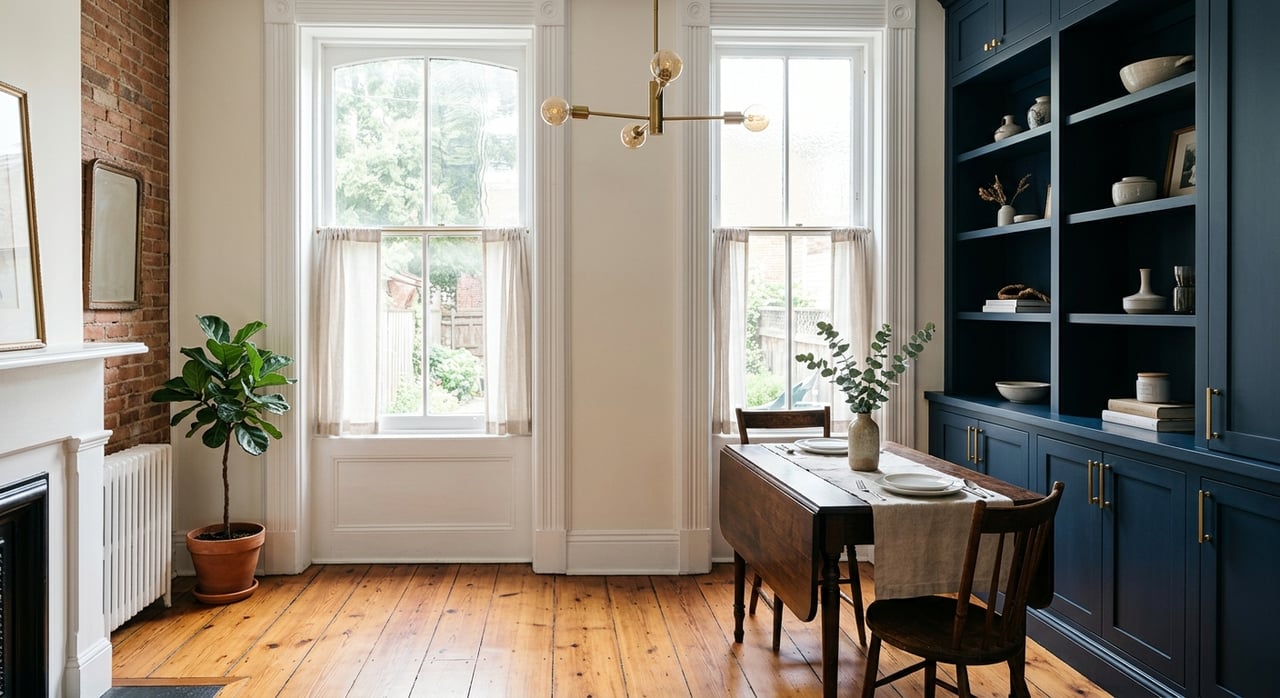
If you own a historic home in Alexandria, you already know its charm is a major asset. But character alone is not always enough to win over today’s buyers. Many buyers still love original details, yet they also want a home that feels well cared for, functional, and easy to live in. The good news is that you do not need to strip away history to make your home more market-ready. You just need a smart plan. Let’s dive in.
Before you schedule exterior painting, replace windows, or line up a contractor, confirm how your property is designated. In Alexandria, the City says it has seven National Register historic districts, but only Old and Historic Alexandria and Parker-Gray are locally regulated through the Board of Architectural Review, or BAR. City-designated One Hundred-Year-Old Buildings are also regulated. The City also notes that the Old and Historic Alexandria District is the third oldest historic district in the nation.
That distinction matters because local rules affect what you can change on the exterior. According to Alexandria’s historic preservation guidance, exterior alterations or new construction visible from a public right-of-way generally require a Certificate of Appropriateness. Interior work does not require BAR approval.
This is one of the most important steps in preparing a historic home for sale. If you start work first and ask questions later, you could waste time and money on changes that need review or revision.
Alexandria’s BAR policies focus on preserving historic material, usually through repair rather than replacement. That means visible exterior changes should be approached carefully, especially if they affect windows, doors, roofing, siding, masonry, or fences.
The good news is that not every task triggers a lengthy process. The City’s administrative policies say many smaller items are exempt or low-friction, including door hardware, mailboxes, house numbers, plant materials, storm windows, unornamented storm doors, and certain non-street-facing cameras or lights.
Timing matters when you are getting ready to list. Alexandria says complete administrative approvals normally take less than 5 business days, while full BAR hearing applications must be complete at least 30 days before the hearing date.
If your prep list includes exterior work, a preservation check should happen before contractor scheduling. That one step can help you avoid listing delays and keep your sale timeline on track.
Historic homes often win buyers over with materials, craftsmanship, and location. Still, buyers are paying close attention to condition. In the 2025 NAR Remodeling Impact Report, 46% of REALTORS® said buyers are less willing to compromise on home condition than they were in the past.
For you as a seller, that means deferred maintenance stands out more than it used to. Scuffed paint, worn finishes, sticking windows, loose hardware, or dated rooms can distract buyers from the architectural features that make your home special.
The goal is not to make a historic home feel brand new. The goal is to make it feel thoughtfully maintained. Buyers tend to respond best when original details are paired with a clean, functional, polished presentation.
That often means investing in selective refreshes rather than major renovations. The same NAR report found that REALTORS most often recommend projects like painting the entire home, painting one room, roofing work, bathroom renovation, and kitchen upgrades before selling.
When you are deciding what to do before listing, start with the highest-impact, lowest-risk items. In many Alexandria historic homes, that means repair-first improvements that respect original materials while improving comfort and presentation.
A practical pre-listing checklist may include:
Alexandria’s BAR policies treat many minor repairs to windows, shutters, doors, roofs, siding, stoops, steps, and railings as ordinary maintenance in many cases. Painting non-masonry surfaces and repainting already painted masonry are also listed as ordinary maintenance.
This is a core principle in Alexandria historic districts. The City’s 2025 policies state that original window frames and trim must be preserved and repaired on early buildings. If replacement is unavoidable, the new work should match the historic design, color, texture, profile, and installation method as closely as possible.
That is not just a rule. It is often good marketing. Buyers shopping for an Alexandria historic home usually want authenticity, and preserving original fabric can strengthen that appeal.
Brick and masonry deserve extra caution. Alexandria’s masonry preservation page says painting previously unpainted masonry requires a Certificate of Appropriateness.
In other words, a quick cosmetic update that might seem harmless can create approval issues and may not align with preservation goals. If your home has historic brick, it is usually best to think in terms of maintenance and repair, not trendy surface treatments.
Many buyers love old homes, but they still want comfort and efficiency. Fortunately, those goals do not have to conflict with preservation.
The National Park Service says weatherization of historic buildings should have minimal impact on historic design and materials. Common strategies include reducing air infiltration, repairing or upgrading windows and doors, adding insulation, and using efficient HVAC systems.
Simple improvements can go a long way before listing. The U.S. Department of Energy and ENERGY STAR recommend caulking and weatherstripping around doors and windows. ENERGY STAR also says sealing leaks and adding insulation can improve comfort and provide up to 10% savings on annual energy bills.
For a seller, these updates can help your home feel less drafty and more move-in ready during showings. They also let you speak to comfort in a credible, preservation-conscious way.
Efficiency matters, but so does restraint. The National Park Service also cautions that energy-efficiency work should not involve wholesale removal of historic materials or major changes to historic character solely to achieve green-building goals.
That is a helpful reminder for pre-sale prep. Buyers are often looking for a home that balances timeless architecture with smart livability, not a historic property that has been stripped of what made it distinct.
Staging can be especially powerful in an older home. Historic layouts, smaller room sizes, and unique architectural details can be easier for buyers to appreciate when the home is styled with purpose.
According to NAR’s staging data, 83% of buyers’ agents said staging made it easier for a buyer to visualize the property as a future home. The most commonly staged rooms were the living room, primary bedroom, and dining room.
For sellers, that offers a clear roadmap. If you do not want to stage every room, focus first on the spaces where buyers tend to form the strongest emotional connection.
If you are prepping an Alexandria historic home, start with:
A well-staged historic home helps buyers see how period details can work with modern living. It can also reduce the visual noise that sometimes comes with older homes full of furniture, collections, or room-by-room style changes.
NAR’s 2023 findings also showed that some sellers’ agents saw staged homes generate offers 1% to 5% higher than similar unstaged homes, while others reported slight reductions in time on market.
In a market like Alexandria, the home is only part of the story. Buyers also care about how they will live in the area day to day.
That is especially true for walkability. NAR’s 2023 community survey found that 79% of respondents said walkability is important, and 78% said they would pay more for a home in a walkable community.
If your home offers convenient access to shops, parks, restaurants, biking routes, or commuter options, that should be part of the listing strategy. Alexandria’s Old Town wayfinding materials also emphasize walking, biking, and transit use, which supports this as a real local selling point.
The key is to stay factual and specific. Instead of vague neighborhood hype, strong marketing focuses on nearby amenities, transportation options, and everyday convenience.
Some sellers want to do the right pre-listing work but prefer not to pay for everything upfront. That is where Compass Concierge may fit into the plan.
According to Compass Concierge, the program fronts the cost of selected home improvements with zero due until closing, subject to program terms. Compass states that repayment happens when the home sells, the listing agreement ends, or 12 months pass from the Concierge start date. Fees or interest may apply depending on the state, and Concierge loans are provided by Notable Finance, subject to credit approval and underwriting.
Compass says covered services can include:
For an Alexandria historic home, this can be useful when your pre-listing plan includes work that is already preservation-safe or has already been reviewed if needed. It is not a shortcut around local historic rules. It is simply a tool that may help fund smart, market-ready updates.
The best results usually come from doing the right things in the right order. Historic homes reward careful planning.
A simple sequence looks like this:
When you take this approach, you can present your home as both authentic and ready for modern buyers.
Selling a historic home in Alexandria is not about making it look like everything else on the market. It is about showing buyers that the home’s character has been respected, its condition has been addressed, and its lifestyle value is easy to understand. If you want a thoughtful plan that balances preservation, presentation, and market strategy, Jesse Oakley can help you map out the right next steps.
OUR VALUE AND COMMITMENT TO YOU. You work hard to make a statement about yourself, your beliefs, and who you want to become – don't settle for anything less than the best in the business. We value individuality, beauty, transparency, and thought. The homes we are going to show you reflect that. We recommend lenders, contractors, and title companies and have a thorough knowledge of DC neighborhoods.
Let's ConnectCompass
1313 14th St., N.W. Washington, DC 20005